

Native Plants for Denver Xeriscape: The Complete Plant Selection Guide
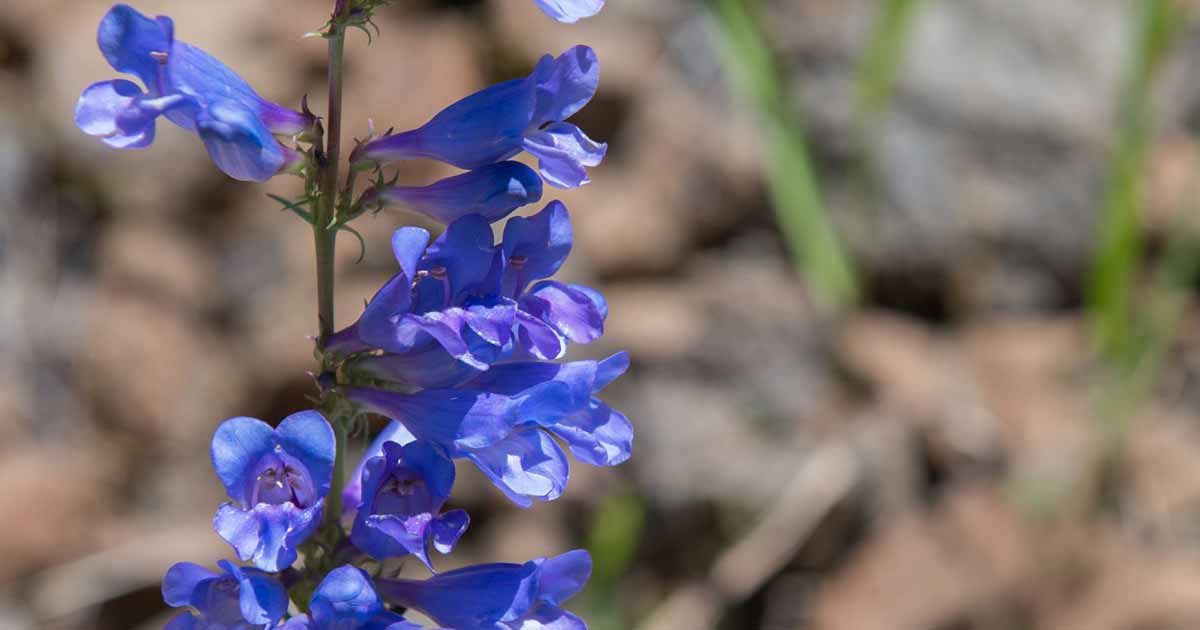
You can't xeriscape Denver without the right plants. Wrong plants = constant struggle, dead replacements, wasted money. Right plants = thriving yard with minimal water, low maintenance, year-round color. The secret: native and adapted plants that evolved in Denver's climate. In this guide, we'll show you exactly which plants thrive in Denver xeriscapes, organized by season, function, and growing conditions. Every plant here has proven itself in Colorado's altitude, clay soil, and temperature swings. This is the definitive reference for choosing native plants for your Denver xeriscape. Why Native Plants Matter for Denver XeriscapingNative plants aren't trendy — they're practical. A native shrub evolved on Colorado's Front Range. It knows how to handle 14 inches of annual rainfall (Denver's average), how to survive 500-year droughts, how to deal with heavy clay soil, how to thrive at 5,280 feet elevation, and how to endure temperature swings from 60°F to 30°F in 24 hours. Compare that to a fancy ornamental from California or the Southeast. It's constantly stressed. More watering, more fertilizer, more fungicide, more replacement. Native plants = less intervention, more thriving. The math: a xeriscape costs $10,000 upfront. Plant choice determines whether it's a $200/year maintenance burden or completely hands-off after year 2. Best Shrubs for Denver XeriscapingShrubs are the backbone. They provide structure, year-round interest, and habitat for wildlife. Serviceberry (Amelanchier) Height: 12–15 ft | Sun: Full sun to part shade | Water: Low once established 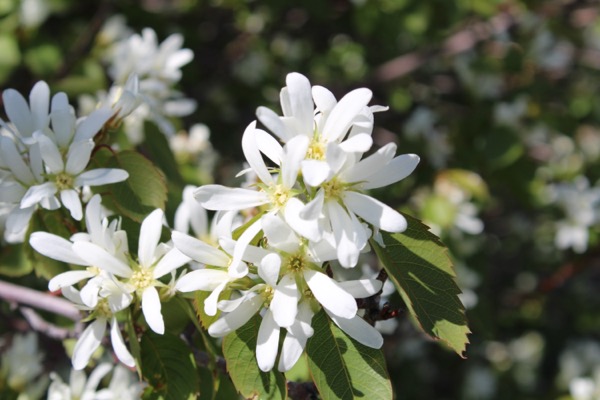 Serviceberry is the unsung hero of Denver landscapes. • Spring: Delicate white flowers appear before leaves • Summer: Sweet edible berries (birds love them) • Fall: Golden-orange foliage • Winter: Interesting branch structure Why it works: Native to Colorado Front Range, handles clay soil, thrives at altitude, practically pest-free. Cost: $25–$60 (young) | $75–$150 (mature) Pro tip: Plant in spring for best establishment. Grows 1–2 ft/year. Gambel Oak (Quercus gambelii) Height: 15–25 ft | Sun: Full sun to part shade | Water: Low once established
 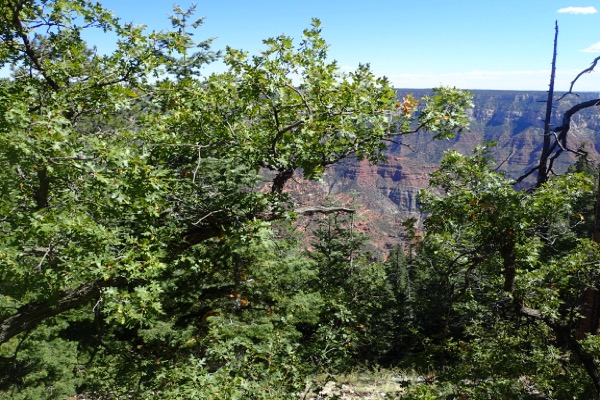 Gambel Oak is a Colorado icon. • Spring: Emerging leaves are bronze-red • Summer: Deep green foliage, structural presence • Fall: Spectacular red, orange, and burgundy colors (peak fall color in Denver) • Winter: Interesting bare branch structure Why it works: Native to Colorado, extremely drought-tolerant, long-lived (50+ years), no pests. Drawback: Deciduous — loses leaves in winter. But the fall color is worth it. Cost: $40–$100 (young) | $100–$250 (mature) Pro tip: Needs good drainage. Pair with gravel paths for visual interest in winter. Fernbush (Chamaebatiaria millefolium) Height: 3–4 ft | Sun: Full sun | Water: Very low
 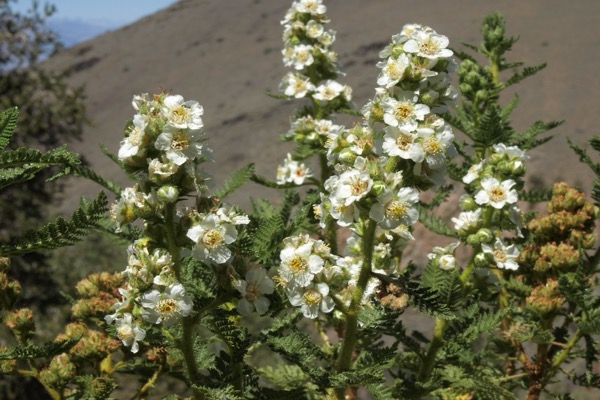 Fernbush is a Colorado native most people overlook. • Spring/Summer: Delicate, fern-like foliage (aromatic when brushed) • Late summer: Tiny white flowers in spikes • Fall: Foliage turns bronze-red • Winter: Interesting dark stems Why it works: Extremely drought-tolerant, beautiful texture, aromatic — and deer-resistant. Cost: $20–$45 (young) Pro tip: Use for texture contrast. Pairs beautifully with sculptural grasses. Rabbitbrush (Ericameria/Chrysothamnus) Height: 3–5 ft | Sun: Full sun | Water: Very low
 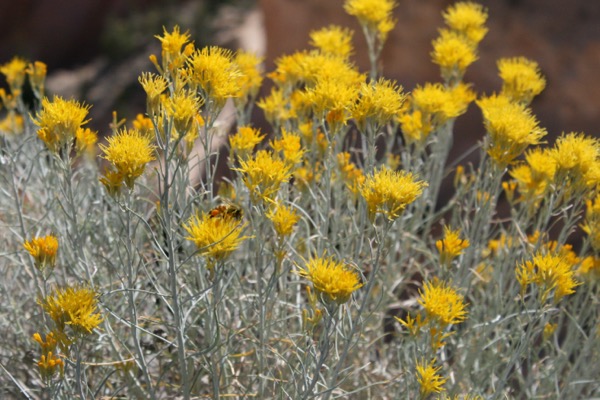 Rabbitbrush is pure Colorado. • Late summer/fall: Bursts into bright golden-yellow flowers • Fall: Golden foliage + flowers = stunning color • Winter: Interesting branch structure • Wildlife: Pollinator magnet — bees and butterflies Why it works: Native to Colorado, peak color when most plants are fading, attracts pollinators, zero pests. Cost: $15–$40 (young) Pro tip: Plant in clusters of 3–5 for maximum impact. Dead-head spent flowers in late fall. Chokecherry (Prunus virginiana) Height: 15–25 ft | Sun: Full sun to part shade | Water: Low once established
 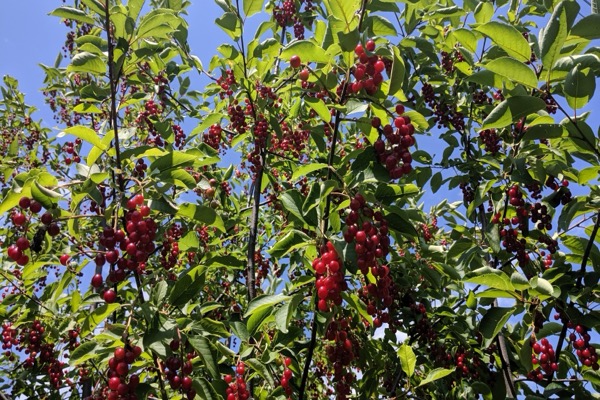 Chokecherry is food for wildlife and visual drama. • Spring: Fragrant white flower clusters • Summer: Dark glossy foliage, small dark berries • Fall: Burgundy-red foliage • Wildlife: Birds feast on berries Why it works: Native Colorado species, extremely hardy, dual-season color, wildlife food source. Drawback: Can be colonized by black knot fungus (doesn't kill the plant). Prune affected branches. Cost: $30–$75 (young) Pro tip: Plant in groups. Provides screening and windbreak. Ornamental Grasses for Structure and MovementGrasses add texture, movement, and winter interest. They're the secret to making xeriscapes look alive. Blue Fescue (Festuca cinerea) Height: 12–18 inches | Sun: Full sun | Water: Very low
 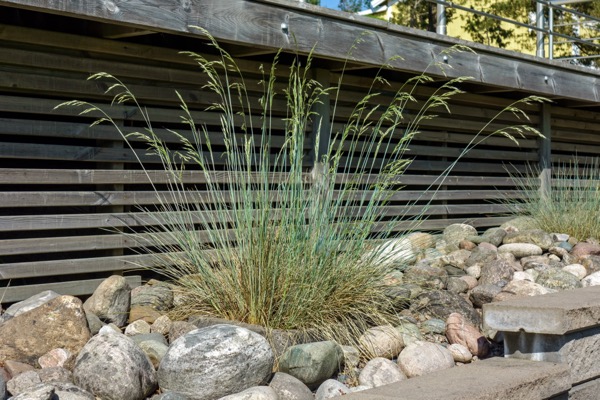 Blue Fescue is your edging plant. • Year-round: Silvery-blue fine-textured foliage • Late spring/early summer: Delicate tan flower spikes • Winter: Maintains color and texture Why it works: Compact, fine texture for borders, extreme drought tolerance, native to high altitudes. Cost: $8–$15 Pro tip: Plant in drifts of 3–5 for visual impact. Works beautifully in rock gardens. Feather Reed Grass (Calamagrostis acutiflora) Height: 3–4 ft | Sun: Full sun to part shade | Water: Low
 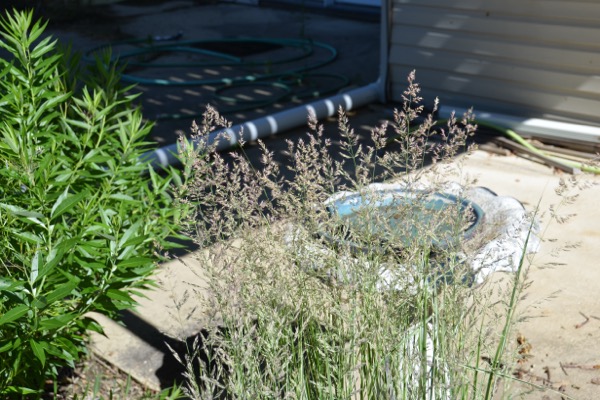 Feather Reed Grass is the tall, dramatic statement maker. • Late spring: Emerging red feathery seed heads • Summer: Tall airy texture, constant movement in breeze • Fall: Golden color, seed heads age to tan • Winter: Dried seed heads provide structure Why it works: Tall without being floppy, architectural interest, movement without chaos, low water once established. Cost: $15–$30 Pro tip: Plant as a solo specimen or in small groups. The movement in wind is hypnotic. Sideoats Grama (Bouteloua curtipendula) Height: 18–24 inches | Sun: Full sun | Water: Very low
 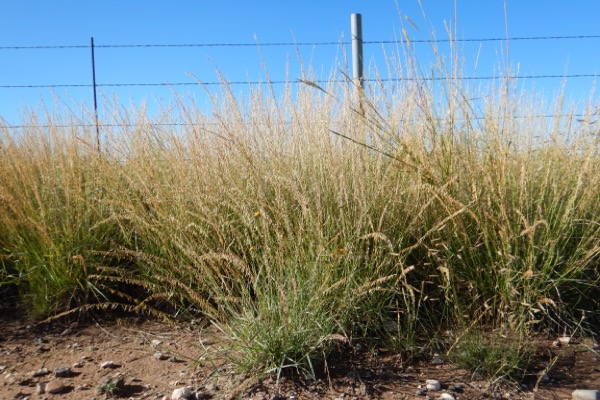 Sideoats Grama is native Colorado prairie grass. • Late spring: Distinctive one-sided seed heads (like tiny oats hanging to one side) • Summer: Soft green foliage, fine texture • Fall: Bronze-gold color • Winter: Tan dried seed heads, provides wildlife cover Why it works: Native to Colorado prairie, incredibly drought-tolerant, unique seed head structure, wildlife value. Cost: $12–$25 Pro tip: Use in drifts with other natives for an authentic prairie feel. Festuca (Festuca glauca, Festuca mairei) Height: 2–3 ft | Sun: Full sun to part shade | Water: Low Festuca species offer fine texture and blue-green color. • Spring: Emerging new growth is bright green-blue • Summer: Fine-textured foliage, delicate flowers • Fall/Winter: Maintains color, provides winter structure Why it works: Fine texture, color variety, compact, extremely drought-tolerant. Cost: $10–$20 Pro tip: Combine with bolder-textured shrubs for contrast. Perennials and Wildflowers for Season-Long ColorPerennials are the jewelry of xeriscapes. They provide seasonal color without the commitment of shrubs. Lupines (Lupinus species) Height: 24–36 inches | Sun: Full sun to part shade | Water: Low to moderate
 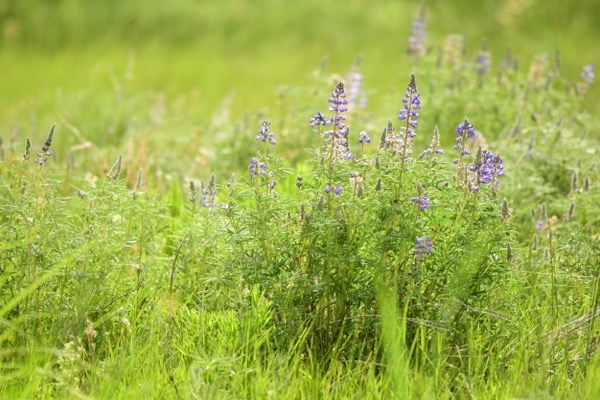 Lupines are iconic Colorado. • Late spring/early summer: Tall spikes of purple-blue flowers • Foliage: Delicate, silver-green, attractive even when not blooming • Blooming period: 4–6 weeks Why it works: Colorado native, gorgeous purple-blue color, low water once established, attracts pollinators. Drawback: Blooms once per year for 4–6 weeks. Plan other perennials for surrounding color. Cost: $8–$18 Pro tip: Plant in large drifts (7–10 plants) for maximum impact. Self-seeds — you'll get volunteers next year. Columbine (Aquilegia species) Height: 18–24 inches | Sun: Part shade to shade | Water: Low to moderate
 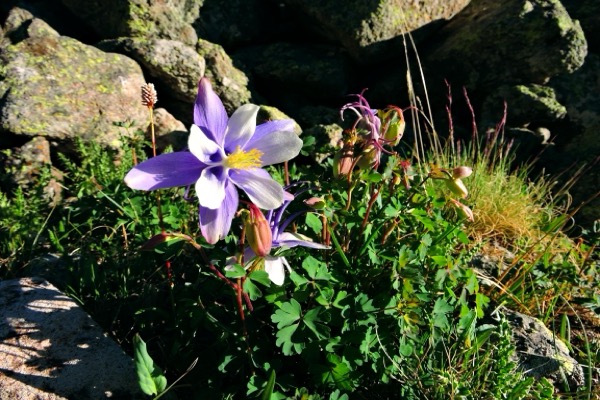 Columbine is Denver's shade-tolerant native. • Spring: Nodding delicate flowers with unique spurred petals (blue-purple, pink, white) • Foliage: Soft, fern-like, attractive all season • Blooming period: 4–6 weeks Why it works: Native Colorado wildflower (state flower), thrives in shade where most xeriscapes struggle, delicate texture, low water. Cost: $8–$15 Pro tip: Use under trees or in north-facing beds where other plants won't thrive. Blanket Flower (Gaillardia grandiflora) Height: 18–24 inches | Sun: Full sun | Water: Very low
 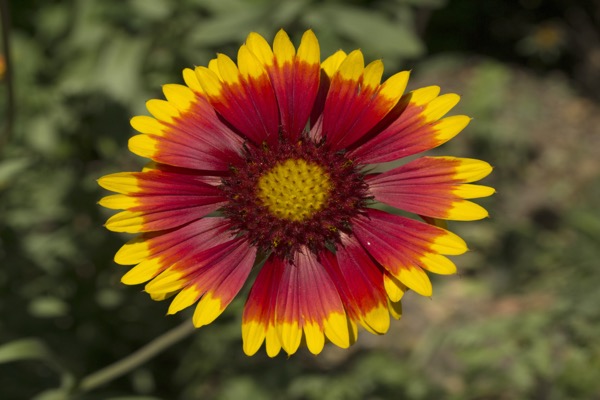 Blanket Flower is non-stop color. • Late spring through fall: Orange-red flowers with yellow tips • Blooming period: 4–5 months — the longest blooming native perennial • Butterflies: Constant visitors Why it works: Extended bloom time, extreme drought tolerance, butterfly magnet, bright color, native to plains. Cost: $8–$15 Pro tip: Dead-head spent flowers to extend bloom. Self-seeds prolifically. Catmint (Nepeta species) Height: 24–36 inches | Sun: Full sun to part shade | Water: Low once established
 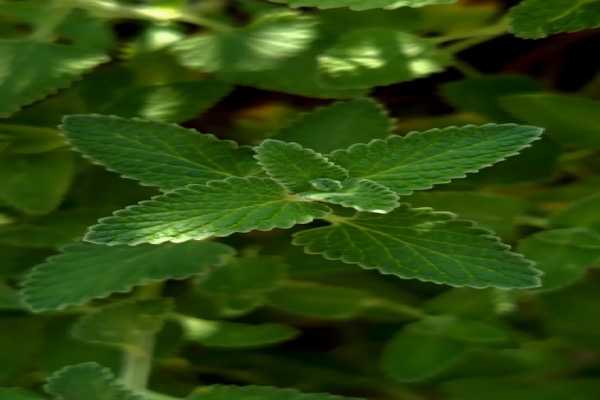 Catmint is the workhorse perennial. • Late spring through fall: Purple-blue flowers in spikes • Foliage: Aromatic, soft green-gray • Blooming period: 3–4 months • Wildlife: Pollinator magnet — bees, butterflies, hummingbirds Why it works: Extended bloom, aromatic foliage, extremely low water, incredibly hardy, deer-resistant. Cost: $10–$20 Pro tip: Plant in drifts of 3–5. Cut back hard after first bloom for a second flush of flowers. Salvias (Salvia species) Height: 18–48 inches (depending on species) | Sun: Full sun to part shade | Water: Low
 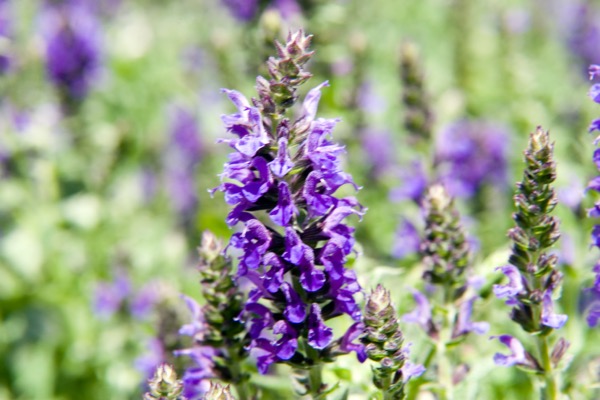 Salvias are the color-option perennials. Best varieties for Denver: • Salvia greggii (Autumn Sage): 24–36" tall, red/pink/white flowers, long bloom • Salvia nemorosa (Woodland Sage): 24–30" tall, purple-blue flowers, spring and summer blooms • Salvia officinalis (Culinary Sage): 18–24" tall, purple flowers, edible leaves Why it works: Huge color variety, long bloom times, low water, pollinator magnets, some are edible. Cost: $10–$25 Pro tip: Mix varieties for continuous color spring through fall. Yarrow (Achillea millefolium) Height: 24–36 inches | Sun: Full sun | Water: Very low
 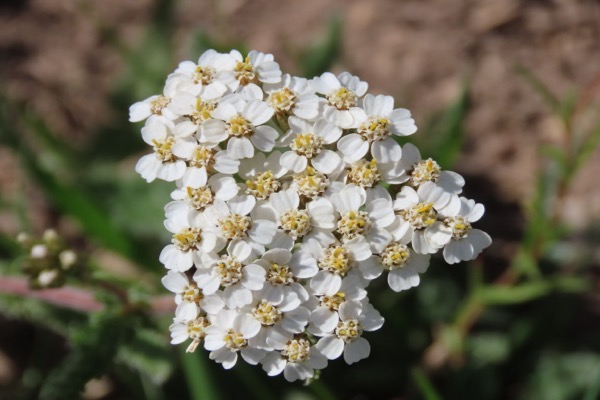 Yarrow is toughness and color in one plant. • Late spring through fall: Flat-topped flower clusters in yellow, pink, red, orange, or white • Foliage: Feathery, gray-green, aromatic • Blooming period: 3–4 months Why it works: Native to Colorado, extreme drought tolerance, unique flat flower heads, color variety, long bloom, butterflies. Cost: $8–$15 Pro tip: Plant in drifts. Mix colors for visual complexity. Dead-head for extended bloom. Low-Water Ground Covers and EdgingGround covers fill space, prevent weeds, and add texture without the commitment of shrubs. Sedum (Stonecrop) Height: 4–12 inches (depending on variety) | Sun: Full sun to part shade | Water: Very low
 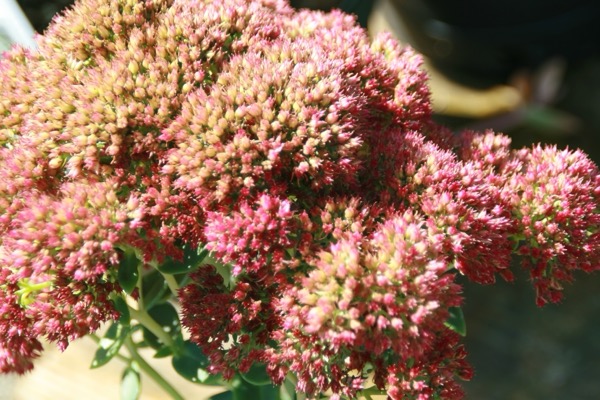 Sedum is the low-maintenance ground cover. Best varieties: • Sedum spurium: Creeping, red-tinged foliage, pink flowers • Sedum spathulifolium: Rosettes, blue-green foliage, yellow flowers • Sedum kamchaticum: 6" tall, orange flowers, burgundy fall foliage Why it works: Succulent (stores water in leaves), extreme drought tolerance, low-growing, colorful foliage, butterflies. Cost: $5–$12 Pro tip: Mix sedum varieties for color and texture. Works beautifully in rock gardens and between pavers. Pussytoes (Antennaria species) Height: 12–18 inches | Sun: Full sun to part shade | Water: Very low
 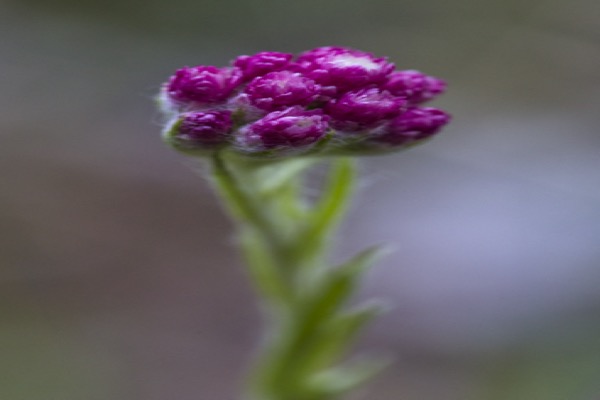 Pussytoes is a native ground cover most people overlook. • Spring/early summer: Fuzzy white or pink flower clusters (look like tiny cat paws) • Foliage: Silvery-green, low-growing rosettes • Wildlife: Butterfly caterpillar food plant Why it works: Native Colorado wildflower, extreme drought tolerance, unique flowers, low-growing, wildlife value. Cost: $8–$15 Pro tip: Plant in drifts for visual impact. Great for slopes and areas where nothing else will grow. Creeping Juniper (Juniperus horizontalis) Height: 12–24 inches (tall) | Spread: 4–6 feet (wide) | Sun: Full sun | Water: Very low
 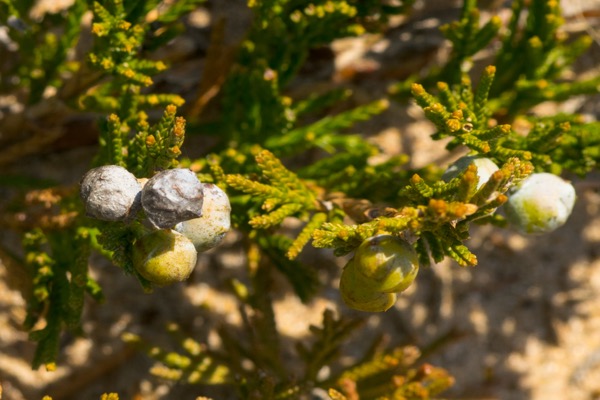 Creeping Juniper is the evergreen ground cover. • Year-round: Low-growing evergreen foliage (blue-green or gray) • Winter: Some varieties turn purple-bronze in cold • Structure: Year-round visual interest Why it works: Native to Colorado, extreme drought tolerance, evergreen for winter interest, low maintenance, wildlife shelter. Cost: $15–$35 Pro tip: Plant on slopes for erosion control. Use as a backdrop for flowering perennials. Plant Selection by Growing ConditionNot all native plants grow everywhere in Denver. Match plants to your actual conditions. Full Sun (6+ hours direct sun) Best choices: Rabbitbrush, Sideoats Grama, Blanket Flower, Yarrow, Sedum, Creeping Juniper These plants want sun and have evolved to handle intense UV at altitude. Part Sun (3–6 hours direct sun) Best choices: Serviceberry, Catmint, Columbine, Salvias, Festuca These tolerate both sun and shade. Columbine especially loves afternoon shade in Denver's intense climate. Shade (less than 3 hours direct sun, north-facing) Best choices: Columbine, Serviceberry, Fernbush Most natives want sun. Columbine is your best shade option. Consider non-xeriscape approaches for deep shade. Dry Slopes and Poor Soil Best choices: Rabbitbrush, Gambel Oak, Fernbush, Yarrow, Pussytoes, Creeping Juniper These plants laugh at poor soil and wind exposure. Heavier Soils (Clay-heavy, Denver standard) Best choices: Serviceberry, Chokecherry, Catmint, Lupines, Salvias These tolerate and actually thrive in Denver's clay. Soil amendment still helps, but these won't fail in clay. Season-Long Color StrategyThe best xeriscapes layer plants so something is blooming or interesting every month. Spring (April–May) • Lupines (purple-blue spikes) • Columbine (delicate nodding flowers) • Serviceberry (white flowers) • Salvias (early bloomers) Summer (June–August) • Blanket Flower (orange-red, non-stop) • Catmint (purple-blue) • Yarrow (multiple colors) • Ornamental grasses (texture and movement) • Rabbitbrush (building to fall color) Fall (September–October) • Rabbitbrush (golden-yellow flowers, peak color) • Gambel Oak (red, orange, burgundy foliage) • Yarrow (continued bloom, warm tones) • Sedum (foliage color shift) • Ornamental grasses (bronze and tan seed heads) Winter (November–March) • Serviceberry (branch structure) • Creeping Juniper (evergreen color) • Ornamental grass seed heads (tan and bronze texture) • Gambel Oak bare branches (architectural interest) • Sedum (colorful dried foliage) Common Plant Mistakes to Avoid****Mistake #1: Non-Native "Drought-Tolerant" Plants A plant from Arizona or California that's "drought-tolerant" might not survive Denver's winter, clay soil, or altitude. Solution: Stick with plants that evolved here or in similar climates — high altitude, clay soil, cold winters. Mistake #2: Planting Too Dense It's tempting to fill gaps at planting. Plants grow. In 3–5 years you'll have massive overcrowding, poor air circulation, and disease. Solution: Plant for mature size. Use mulch to fill visual gaps in year 1. Mistake #3: Wrong Plant for Your Conditions A sun lover in shade = slow decline. A shade lover in intense sun = constant stress. Solution: Match plant to actual sun exposure. Don't fight your conditions. Mistake #4: Assuming Native = Zero Water Native plants need water their first 2 years to establish deep roots. After that, they're nearly self-sufficient. Solution: Water weekly first year, taper off year 2. By year 3, only supplemental water during drought. Mistake #5: Neglecting Fall/Winter Interest If your xeriscape is bare and brown October–March, rethink your plant mix. Solution: Include evergreens (junipers, some salvias) and plants with interesting winter structure (grasses, bare branching shrubs). Frequently Asked Questions****Q: Can I use native Colorado plants from other regions? Some high-altitude natives from Wyoming or Utah work fine. Mountain natives (7,000+ feet) appreciate the altitude similarity. Plains natives from eastern Colorado definitely work. Test first if uncertain. Q: How big do these plants get? Can I control size? Yes — most respond well to pruning. Serviceberry, Chokecherry, and Rabbitbrush respond well. Grasses can be cut back. Salvias and Catmint can be deadheaded. But it's easier to plant for mature size than fight growth. Q: What if I want flowers all season? Layer perennials by bloom time: spring bloomers, summer bloomers, fall bloomers. Mix shrubs for structure with perennials for color. Reference the Season-Long Color Strategy section above. Q: Are these plants expensive? No. Young plants run $8–$25. For a 2,000 sq ft xeriscape, expect $2,000–$4,000 in plant material. Much of the total xeriscape cost goes to hardscape and labor, not plants. Q: Do I need to fertilize native plants? No. They evolved on poor Colorado soil. Fertilizer actually makes them weaker and more water-dependent. Let them grow lean and tough. Q: Which plants attract pollinators? Salvias, Catmint, Blanket Flower, Rabbitbrush, Lupines, Yarrow, Sedum. Plant these if you want butterflies and bees. Q: Which plants are deer-resistant? Most natives are somewhat deer-resistant due to thick foliage or taste. Catmint, Yarrow, and Salvias are especially resistant. Chokecherry and Serviceberry get browsed but survive. Your Native Plant Xeriscaping ChecklistBefore planting, make sure you have: • Site assessment complete: Sun hours mapped, soil tested, drainage evaluated • Plant list finalized: Choose 5–8 varieties for diversity (shrubs, grasses, perennials) • Season-long color planned: Something blooming or interesting spring through winter • Space planned for mature size: Don't overcrowd • Soil prepared: Amend clay with compost or perlite • Irrigation plan: Hand-water or drip system for first 2 years • Mulch ready: 2–3 inches of wood mulch to retain moisture and suppress weeds Get Your Plants from the Right Sources Don't just buy from big-box stores. Denver native plant nurseries specialize in plants proven to thrive here. Top Denver native plant sources: • High Country Gardens (online, Colorado-based) • Local native plant nurseries (search "Denver native plants") • Colorado State Extension programs (educational resources and recommendations) What to ask: "Will this thrive at Denver's altitude?" "Does this handle heavy clay?" "How much water does it need once established?" **Ready to Design Your Native Plant Xeriscape?**You now know which plants thrive in Denver, when they bloom, how they function, and how to layer them for year-round color. The next step: calculate your xeriscaping costs and request a design consultation to put these plants into your specific yard. Or browse our portfolio of Denver xeriscapes using these native plants. See what's possible. Your yard is waiting for plants that actually want to live here.
Ready to Design Your Native Plant Xeriscape?
Xeris designs and installs native plant xeriscapes across Denver and the Front Range. Request an estimate — we'll walk your site, assess your soil and sun, and show you exactly what would thrive.